Sabah 2030: Building a Competitive and Sustainable Economy



Sabah 2030: Building a Competitive and Sustainable Economy
📖CHAPTER STRUCTURE
CHAPTER 1 — Sabah at a Crossroads
Theme: Economic context and the need for change
Key Content:
-
Sabah’s current economic position
-
Structural challenges (commodity dependence, regional inequality)
-
Why the year 2030 matters
-
The core questions this book seeks to answer
📌 Purpose: To engage readers and establish the overall context
CHAPTER 2 — Understanding Sabah’s Economic DNA
Theme: Economic foundations and Sabah’s unique strengths
Key Content:
-
Natural resources and geographical advantages
-
The role of communities and culture
-
Employment structure and key economic sectors
📌 Purpose: To identify and understand Sabah’s real economic strengths
CHAPTER 3 — From Resources to Value Creation
Theme: Transition from a raw-resource economy to value-added growth
Key Content:
-
Challenges of exporting raw materials
-
The need for downstream industries
-
Case studies in agriculture and fisheries
📌 Purpose: To demonstrate the necessity of economic transformation
CHAPTER 4 — Infrastructure as an Economic Enabler
Theme: Infrastructure as a driver of competitiveness
Key Content:
-
Roads, ports, and airports
-
Logistics costs and their economic impact
-
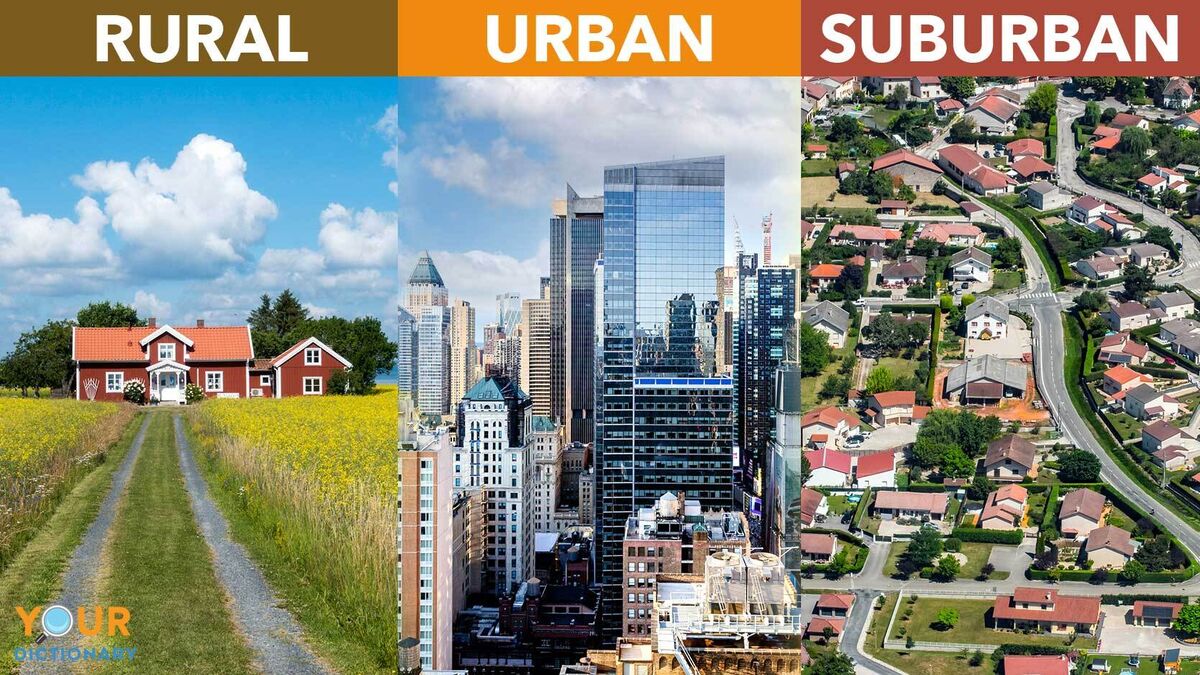
Urban–rural connectivity
📌 Purpose: To explain the link between infrastructure and economic performance
CHAPTER 5 — Tourism, Culture, and the Blue Economy
Theme: Sustainable tourism and the marine-based economy
Key Content:
-
Premium eco-tourism
-
Culture as an economic asset
-
Fisheries and the maritime economy
📌 Purpose: To highlight the value of high-quality tourism and marine industries
CHAPTER 6 — Human Capital and Talent Development
Theme: People as the foundation of competitiveness
Key Content:
-
Education, TVET, and digital skills
-
Youth, entrepreneurship, and innovation
-
Brain drain challenges and solutions
📌 Purpose: To emphasise the central role of human capital
CHAPTER 7 — Digital Economy and Innovation
Theme: Sabah’s digital transformation
Key Content:
-
SME digitalisation
-
E-commerce and the creative economy
-
Rural digital infrastructure
📌 Purpose: To lay the foundation for future economic growth
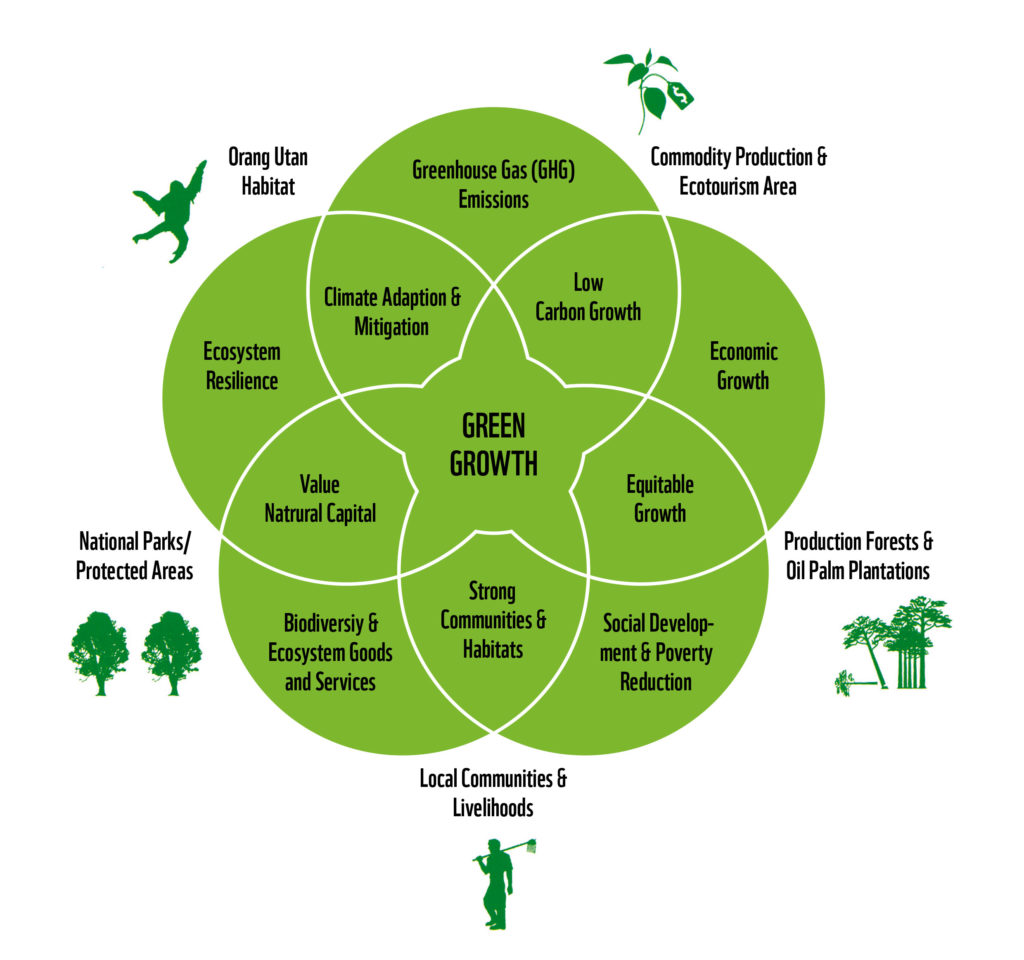
CHAPTER 8 — Green Growth and Sustainable Development
Theme: Green economy and sustainability
Key Content:
-
Renewable energy
-
Environmental management
-
Green investment and ESG principles
📌 Purpose: To balance economic growth with environmental protection
CHAPTER 9 — Governance, Policy, and Investment
Theme: Governance and execution
Key Content:
-
Economic policy and the role of government
-
Public–private partnerships and private investment
-
Transparency, KPIs, and accountability
📌 Purpose: To ensure the strategy is implementable
CHAPTER 10 — Sabah 2030 and Beyond
Theme: Conclusion and future vision
Key Content:
-
Overall synthesis of key ideas
-
Scenarios for Sabah in 2030
-
A call to action for all stakeholders
📌 Purpose: To close the book with a strong and forward-looking impact

Chapter 1 — Sabah at a Crossroads
Sabah stands at a defining moment in its development journey. As one of Malaysia’s most resource-rich states, Sabah possesses vast natural assets, strategic maritime positioning, and a culturally diverse society. Yet, despite these advantages, the state continues to face structural economic challenges that limit its competitiveness and long-term prosperity.
This chapter sets the context for the book by examining where Sabah is today, why transformation is urgently needed, and why the year 2030 represents a critical milestone rather than a distant aspiration.
1.1 The Current Economic Reality
Sabah’s economy has traditionally been anchored in primary industries—agriculture, forestry, fisheries, and extractive activities. These sectors have provided employment and income for decades, particularly in rural areas, but they are largely characterised by low value addition, price volatility, and dependency on external markets.
As a result:
A significant portion of economic value leaks out of the state through the export of raw or semi-processed materials.
Average household income remains below the national level.
Employment growth is concentrated in low- to mid-skilled jobs, limiting upward mobility for the workforce.
While public sector spending and federal development allocations continue to play an important stabilising role, overreliance on these mechanisms is not sustainable in the long run.
1.2 Structural Challenges Facing Sabah
Several long-standing structural issues constrain Sabah’s economic performance:
1. Connectivity and Infrastructure Gaps
Uneven road networks, limited logistics capacity, and high transportation costs reduce market access—especially for rural producers and small businesses.
2. Limited Industrial Depth
The absence of strong downstream industries means Sabah captures only a fraction of the potential value from its natural resources.
3. Human Capital Mismatch
Skills development has not kept pace with emerging economic needs, particularly in digital, technical, and innovation-driven sectors.
4. Regional Inequality
Economic growth is unevenly distributed, with coastal and urban areas progressing faster than interior districts.
These challenges are interconnected and cannot be solved in isolation.
1.3 Why 2030 Matters
The year 2030 is not an arbitrary target. It aligns with:
Global economic shifts towards sustainability, digitalisation, and low-carbon growth
Regional competition within ASEAN for investment, talent, and markets
A generational transition in the workforce, with youth expecting better jobs and opportunities
Failure to act decisively within this timeframe risks leaving Sabah further behind in an increasingly competitive regional economy. Conversely, timely and strategic action can reposition Sabah as a regional growth engine in East Malaysia and beyond.
1.4 The Cost of Inaction
Maintaining the status quo carries significant risks:
Continued dependence on commodity cycles
Outmigration of skilled youth seeking better opportunities elsewhere
Rising social and income disparities
Increasing vulnerability to global economic and environmental shocks
Inaction is, in itself, a decision—one that carries long-term consequences for economic resilience and social cohesion.
1.5 The Case for Transformation
Sabah’s future competitiveness lies in strategic transformation, not incremental change. This requires:
Moving up the value chain
Investing in people, not just projects
Strengthening governance and delivery mechanisms
Embedding sustainability into economic planning
Transformation does not mean abandoning Sabah’s traditional strengths. Instead, it means redefining how those strengths are harnessed, ensuring they generate higher value, better jobs, and broader prosperity.
1.6 Setting the Direction of This Book
This book is written with a clear purpose:
to present a practical, forward-looking framework for building a competitive, inclusive, and sustainable Sabah economy by 2030.
The chapters that follow will explore:
Economic fundamentals and value creation
Infrastructure and connectivity as growth enablers
Tourism, culture, and the blue economy
Human capital, digitalisation, and green growth
Governance, investment, and implementation pathways
Together, they form a coherent roadmap—one that is ambitious, yet grounded in Sabah’s realities.
Closing Reflection
Sabah is not short of potential. What it requires now is clarity of direction, discipline of execution, and collective commitment from government, businesses, communities, and individuals.
The crossroads is clear.
The question is not whether Sabah can change—but whether it is prepared to act decisively before the window of opportunity closes.



Chapter 2 — Understanding Sabah’s Economic DNA
To chart a credible pathway toward a competitive future, one must first understand the underlying structure—the economic DNA—that has shaped Sabah’s development over time. This chapter examines the foundational elements that define how Sabah produces value, creates livelihoods, and interacts with regional and global markets.
Economic transformation is most effective when it builds on inherent strengths rather than attempting to replace them. Sabah’s challenge is not a lack of assets, but the under-optimisation of those assets.
2.1 Geography as Destiny—and Opportunity
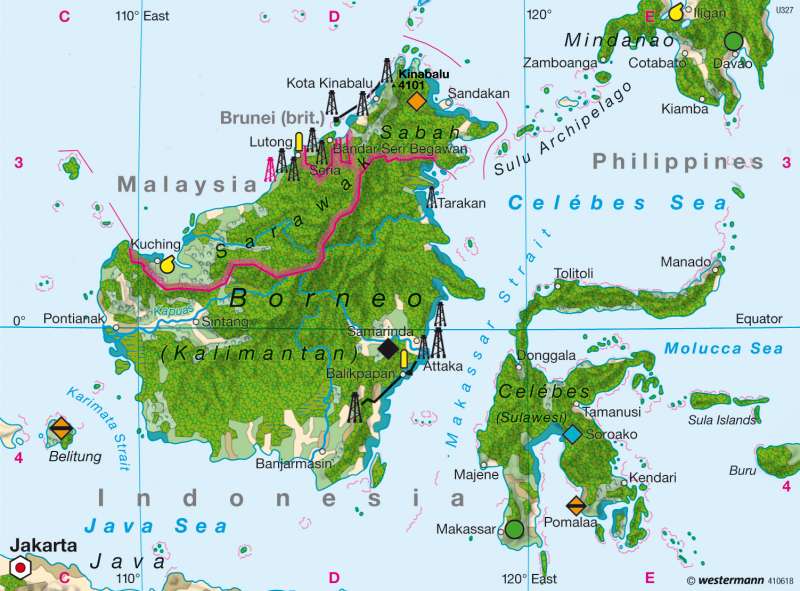
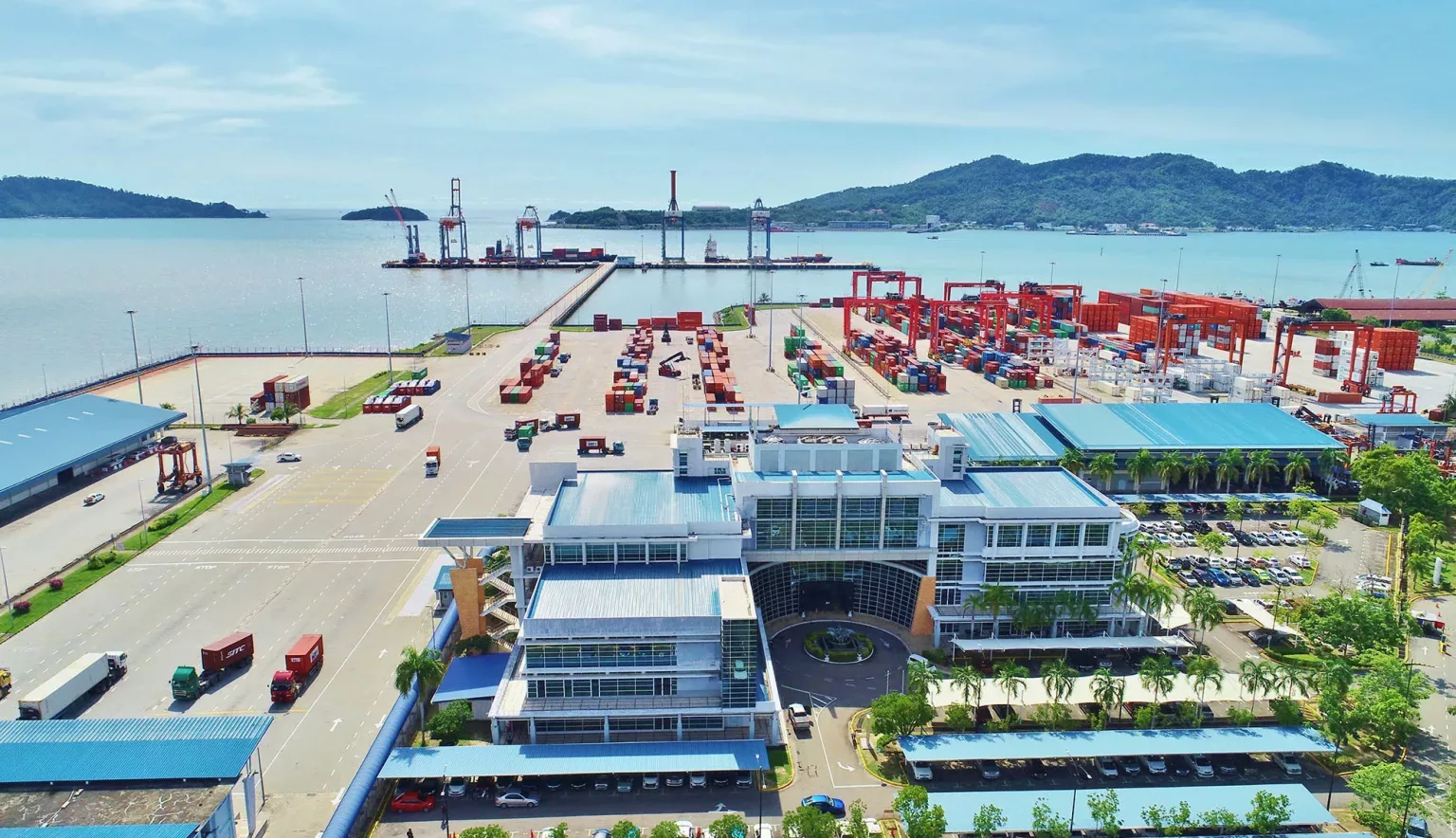
Sabah’s geography has long influenced its economic orientation. With extensive coastlines, fertile land, and proximity to major ASEAN sea lanes, the state is naturally predisposed toward:
Agriculture and agro-based industries
Fisheries and maritime activities
Trade with regional markets across Southeast Asia
However, geography can be both an advantage and a constraint. Mountainous interiors, dispersed settlements, and long distances between districts increase logistics costs and complicate service delivery. Understanding this spatial reality is critical to designing economic strategies that are place-based, not one-size-fits-all.
2.2 Resource Endowment and Primary Production
Sabah’s economy has historically been anchored in primary production:
Plantation agriculture (notably oil palm and rubber)
Fisheries and aquaculture
Forestry and timber-related activities
Mineral and extractive resources
These sectors form the backbone of rural employment and remain essential to social stability. Yet, they are largely positioned at the lower end of the value chain, where margins are thin and exposure to global price volatility is high.
The economic DNA of Sabah, therefore, reflects:
High output volumes
Low downstream processing
Limited branding and market power
This structural pattern explains why economic growth has not consistently translated into broad-based income gains.
2.3 The Role of Communities and Informal Economies
A distinctive feature of Sabah’s economy is the central role of communities, particularly in rural and coastal areas. Smallholders, artisanal fishers, micro-entrepreneurs, and informal traders collectively sustain a large segment of the population.
This community-based economic structure:
Provides resilience during economic shocks
Preserves cultural practices and social cohesion
Operates largely outside formal productivity systems
However, limited access to finance, technology, and markets constrains scalability. Any serious development strategy must therefore treat communities not as beneficiaries alone, but as economic actors capable of participating in higher-value activities when properly supported.
2.4 Labour Market Characteristics
Sabah’s labour market reflects its economic structure:
High participation in low- and mid-skilled occupations
Limited absorption of high-skilled talent
Persistent outmigration of educated youth
While labour availability is not a constraint, skills alignment is. The mismatch between education outcomes and industry needs reduces productivity and discourages private investment in higher-value sectors.
This labour profile is a core component of Sabah’s economic DNA—and one that must evolve if competitiveness is to improve.
2.5 Dependence on External Drivers
Another defining characteristic is Sabah’s reliance on external drivers:
Federal development spending
Global commodity demand
External tourism flows
While these drivers have supported growth, they also expose the state to factors beyond its control. This dependency reinforces the urgency to develop internally generated value, stronger local enterprises, and diversified revenue streams.
2.6 Strengths Hidden in Plain Sight
Despite its challenges, Sabah’s economic DNA contains powerful latent strengths:
Abundant natural capital suitable for sustainable and premium markets
Cultural diversity that supports creative and experience-based industries
Strategic maritime positioning for regional trade
A young population with untapped potential
The issue is not capability, but coordination, scale, and strategy.
2.7 Implications for Transformation
Understanding Sabah’s economic DNA leads to several critical insights:
Transformation must be evolutionary, not disruptive—building on existing sectors while upgrading them.
Value creation must occur closer to the source of production.
Human capital development must align with targeted industries.
Policies must recognise geographic and community diversity.
Economic competitiveness will not come from copying other regions, but from re-engineering Sabah’s own economic identity.
Closing Perspective
Sabah’s economic DNA explains both its resilience and its limitations. It tells a story of resource abundance, strong communities, and unrealised value. Recognising this DNA is the first step toward reshaping it.
The chapters ahead will move from understanding to action—examining how Sabah can convert its inherent characteristics into engines of competitiveness, sustainability, and shared prosperity.


Chapter 3 — From Resources to Value Creation
For decades, Sabah has generated economic output primarily by extracting and exporting natural resources. While this model has delivered revenue and employment, it has also entrenched a structural weakness: most of the value is created elsewhere. This chapter examines why value creation matters, how economic leakage occurs, and what it will take for Sabah to move decisively up the value chain.
3.1 The Cost of a Resource-Based Economy
Resource extraction is often the first stage of economic development. However, when economies remain trapped at this level, growth becomes vulnerable to:
Commodity price volatility
External demand fluctuations
Limited job quality and wage growth
In Sabah’s case, raw or semi-processed products—such as agricultural commodities, seafood, and timber—are frequently exported for further processing outside the state. The result is a persistent value gap between production effort and economic returns.
3.2 Understanding Economic Leakage
Economic leakage occurs when wealth generated locally flows outward rather than circulating within the local economy. In Sabah, leakage manifests through:
Export of unprocessed raw materials
Import of finished or high-value goods
External ownership of downstream facilities
Limited local branding and market access
Each stage of processing that occurs outside Sabah represents lost income, lost jobs, and lost technological learning.
3.3 Why Value Creation Matters
Moving up the value chain transforms the economic equation:
Processing creates higher-paying, skilled jobs
Manufacturing increases productivity and tax revenue
Branding and certification enhance market power
Innovation becomes economically viable
Value creation is therefore not merely an industrial objective—it is a social and economic imperative.
3.4 Strategic Sectors for Value Upgrading
Agriculture and Agro-Processing
Sabah’s agricultural base offers strong potential for:
Food processing (canned, frozen, ready-to-eat products)
Halal-certified and premium food products
Niche exports with geographical branding
Local processing reduces post-harvest losses and stabilises farmer incomes.
Fisheries and Aquaculture
Instead of exporting fresh or frozen catch alone, value can be added through:
Processing and packaging
Cold-chain development
Product diversification (fillets, surimi, nutraceuticals)
These activities extend shelf life and increase export competitiveness.
Downstream Palm Oil and Bio-Based Products
Palm oil value creation extends beyond crude exports to:
Refined food products
Oleochemicals and bio-materials
Renewable energy feedstock
This transition aligns economic competitiveness with sustainability goals.
Timber and Engineered Wood Products
Sustainably managed forests can support:
Furniture and engineered wood manufacturing
Certified green building materials
Export-oriented design industries
This approach ensures long-term resource stewardship while raising economic returns.
3.5 Enablers of Value Creation
Successful upgrading requires more than resources alone. Key enablers include:
Industrial zones with reliable infrastructure
Access to finance for SMEs and cooperatives
Skilled technical and managerial talent
Quality assurance, certification, and standards
Efficient logistics and market connectivity
Without these foundations, value creation efforts remain fragmented and small-scale.
3.6 The Role of SMEs and Local Enterprises
Small and medium enterprises are critical to retaining value locally. When supported through:
Cluster-based development
Technology transfer and training
Shared facilities and services
SMEs can scale from survival-based businesses into export-capable enterprises.
This shift ensures that value creation benefits are widely distributed, not concentrated among a few large players.
3.7 Policy and Investment Implications
To accelerate value creation, policy must:
Incentivise local processing over raw exports
Align land use planning with industrial strategy
Encourage joint ventures that transfer knowledge
Reduce regulatory friction for manufacturing and exports
Investment strategies should prioritise quality over quantity, focusing on industries that generate skills, innovation, and long-term competitiveness.
Closing Reflection
Sabah’s path to competitiveness does not lie in extracting more resources, but in doing more with what it already has. Value creation is the bridge between natural wealth and shared prosperity.
The transition from resources to value is not automatic—it must be designed, financed, and executed with intent. The chapters that follow will explore the systems, infrastructure, and human capital required to make this transition a reality.



Chapter 4 — Infrastructure as an Economic Enabler
Infrastructure is more than a physical asset; it is a strategic enabler of economic competitiveness. Roads, ports, airports, energy systems, and digital networks determine how efficiently goods move, how quickly services are delivered, and how effectively people participate in the economy. For Sabah, infrastructure quality directly shapes productivity, investment decisions, and regional equity.
Infrastructure and Competitiveness: The Direct Link
In competitive economies, infrastructure reduces friction. It lowers costs, shortens delivery times, and improves reliability. Where infrastructure is weak or uneven, businesses face higher operating expenses and reduced market access.
In Sabah, infrastructure gaps have contributed to:
High logistics and transportation costs
Limited scalability for SMEs and rural producers
Uneven regional development
Reduced attractiveness to private investors
Addressing these gaps is therefore not merely a development objective—it is an economic necessity.
4.2 Roads and Internal Connectivity
Road infrastructure forms the backbone of Sabah’s internal economy. Efficient road networks connect farms to processing centres, workers to jobs, and communities to essential services.
Key challenges include:
Long travel times between districts
Inconsistent road quality in rural and interior areas
Limited integration between industrial zones and ports
Strategic investment in road connectivity improves:
Supply chain efficiency
Labour mobility
Market access for rural enterprises
Infrastructure planning must prioritise economic corridors, not just traffic volume.
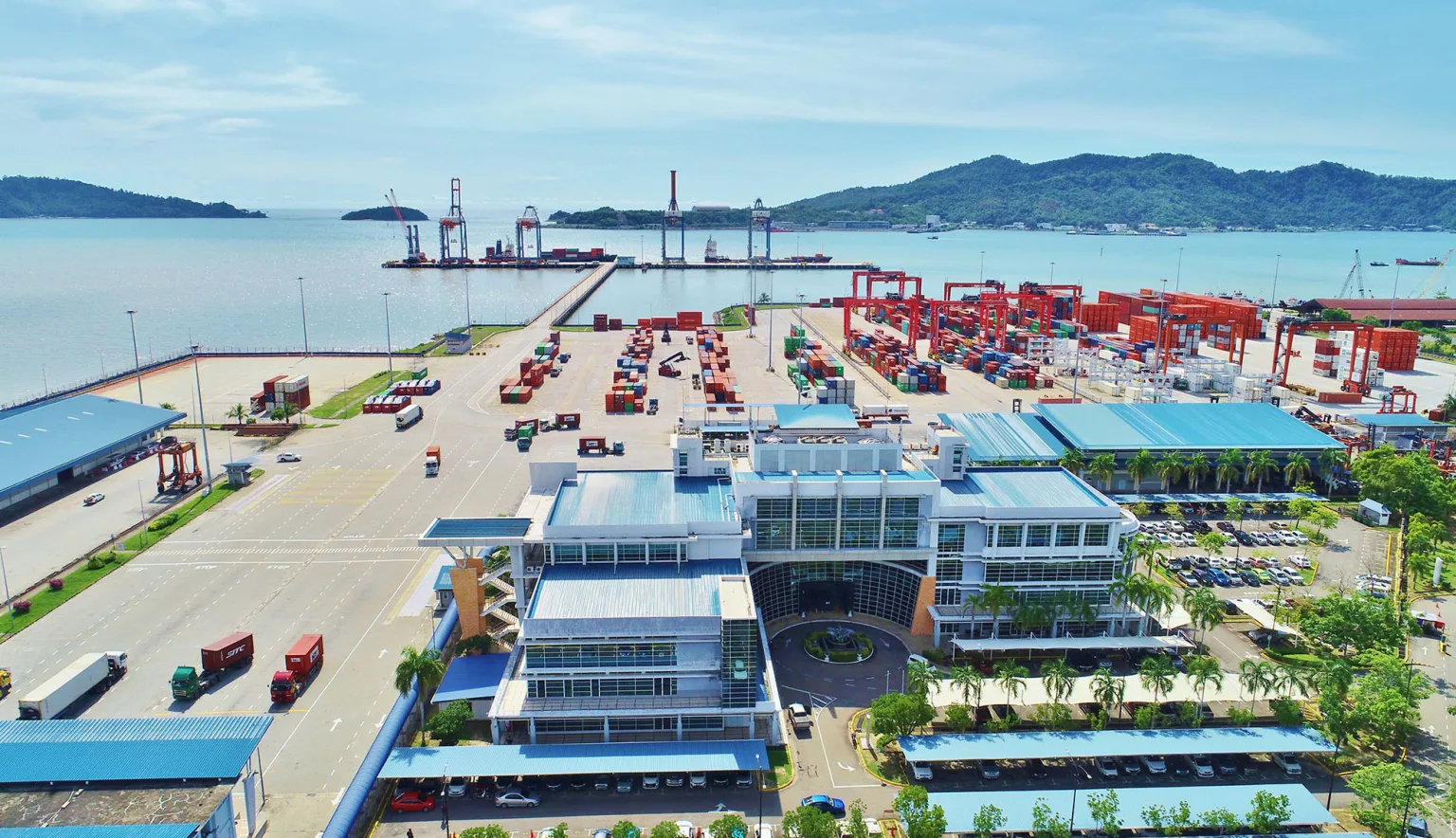
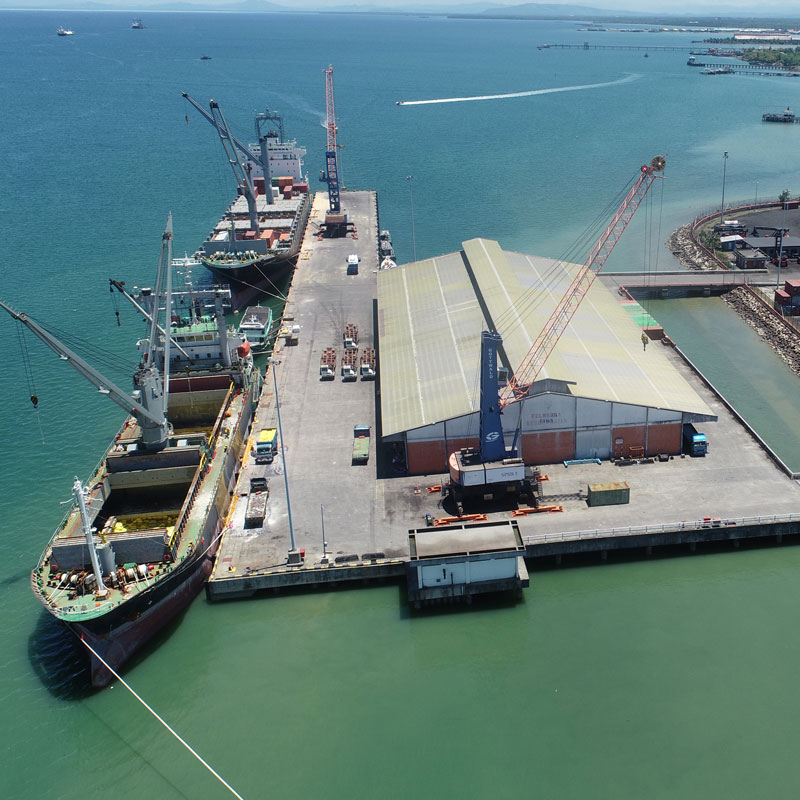
4.3 Ports, Airports, and External Market Access
As a resource- and export-oriented state, Sabah’s competitiveness depends heavily on its gateways to external markets.
Ports
Modern, efficient ports are essential for:
Export of processed goods
Fisheries and cold-chain logistics
Regional maritime trade
Airports
Air connectivity supports:
High-value tourism
Time-sensitive exports
Business travel and investment flows
When ports and airports are underutilised or poorly integrated with land transport, economic potential remains unrealised.
4.4 Logistics as a Hidden Cost
Logistics costs represent a significant but often underestimated burden on Sabah’s economy. Delays, fragmented supply chains, and limited storage facilities reduce competitiveness across sectors.
Improving logistics requires:
Integrated planning between roads, ports, and industrial zones
Investment in warehousing and cold-chain facilities
Digital tracking and supply chain management systems
Lower logistics costs translate directly into higher margins for producers and exporters.
4.5 Energy Infrastructure and Economic Reliability
Reliable and affordable energy underpins all economic activity. Inconsistent supply or high energy costs discourage industrial investment and limit rural enterprise growth.
Strategic priorities include:
Strengthening grid reliability
Expanding renewable and decentralised energy systems
Supporting industrial energy demand with sustainable solutions
Energy infrastructure must balance economic growth, cost stability, and environmental responsibility.
4.6 Digital Infrastructure as the New Backbone
In the modern economy, digital connectivity is as critical as physical roads. Broadband access enables:
E-commerce and digital services
Remote education and skills training
Smart agriculture and tourism
Financial inclusion
Bridging the digital divide between urban and rural areas is essential to ensure inclusive growth and prevent new forms of economic exclusion.
4.7 Infrastructure and Regional Equity
Infrastructure investment shapes spatial development. When concentrated in a few urban centres, it accelerates inequality. When planned strategically, it can unlock growth in lagging regions.
Equitable infrastructure development:
Encourages decentralised economic activity
Reduces rural–urban migration pressures
Strengthens local economies and communities
Balanced growth requires aligning infrastructure investment with local economic potential, not just population density.
4.8 From Projects to Systems
One of the key lessons from past development efforts is that infrastructure must function as a coherent system, not isolated projects. Roads without logistics hubs, ports without industrial clusters, and broadband without skills development limit overall impact.
Effective infrastructure planning requires:
Cross-agency coordination
Clear economic objectives
Long-term maintenance and governance
Infrastructure must serve strategy—not the other way around.
Closing Perspective
Infrastructure does not create growth by itself, but no modern economy grows without it. For Sabah, the challenge is not simply to build more infrastructure, but to build the right infrastructure in the right places, aligned with economic priorities.
When infrastructure is treated as an enabler rather than an expense, it becomes a powerful lever for productivity, competitiveness, and inclusive prosperity.




Chapter 5 — Tourism, Culture, and the Blue Economy
Tourism, culture, and the blue economy represent some of the most powerful yet underleveraged engines of growth in Sabah. When developed strategically, these sectors can generate high-value income, create inclusive employment, and reinforce environmental stewardship. This chapter explores how Sabah can move beyond volume-based tourism and fragmented marine activities toward an integrated, sustainable, and competitive economic model.
5.1 Rethinking Tourism: From Volume to Value
For many years, tourism development has prioritised visitor numbers as the primary measure of success. While this approach generates short-term inflows, it often leads to:
Environmental stress on fragile ecosystems
Low-wage, seasonal employment
Limited retention of tourism revenue within local communities
A competitive tourism strategy must therefore focus on value per visitor, not volume. High-value tourism emphasises quality experiences, longer stays, and higher spending, while minimising environmental impact.
5.2 Sabah’s Natural Advantage in Eco-Tourism
Sabah’s rainforests, marine biodiversity, islands, and wildlife position it uniquely in the global eco-tourism market. These assets are not easily replicated elsewhere, giving Sabah a natural competitive edge.
Strategic priorities include:
Conservation-based tourism zones
Eco-lodges and low-impact accommodation
Wildlife and marine protection linked to tourism revenue
When conservation and tourism are aligned, environmental protection becomes an economic asset rather than a cost.
5.3 Culture as an Economic Asset
Sabah’s cultural diversity—reflected in its languages, traditions, crafts, music, and community practices—is a powerful differentiator in the global tourism market. Yet cultural assets are often treated as peripheral rather than central to economic planning.
Integrating culture into the tourism economy involves:
Supporting community-led cultural experiences
Developing heritage trails and cultural centres
Protecting intellectual and cultural property rights
Cultural tourism not only enhances visitor experience but also strengthens identity, pride, and intergenerational knowledge transfer within communities.
5.4 Understanding the Blue Economy
The blue economy refers to the sustainable use of ocean and coastal resources for economic growth, improved livelihoods, and ecosystem health. For Sabah, this includes:
Fisheries and aquaculture
Marine tourism
Port and maritime services
Coastal resource management
Given Sabah’s extensive coastline and maritime location, the blue economy has the potential to become a core pillar of long-term competitiveness.
5.5 Upgrading Fisheries and Marine Activities
Traditional fisheries provide livelihoods for thousands of households but face challenges such as resource depletion, post-harvest losses, and income instability.
Value upgrading requires:
Modern fishing infrastructure and landing facilities
Cold-chain and processing capacity
Sustainable fishing practices and certification
Market access and branding for seafood products
By shifting from raw catch to processed and branded products, fisheries can deliver higher and more stable incomes.
5.6 Community-Centred Coastal Development
Coastal communities are central to both tourism and the blue economy. However, development that excludes local participation often leads to social tension and environmental degradation.
Inclusive coastal development should:
Empower communities as operators and partners
Provide skills training and access to finance
Ensure fair benefit-sharing mechanisms
Respect customary rights and local governance
When communities are stakeholders rather than spectators, development outcomes are more resilient and sustainable.
5.7 Managing Environmental Limits
Tourism and marine activities depend on healthy ecosystems. Overdevelopment, pollution, and weak enforcement can quickly erode the very assets that attract visitors and sustain livelihoods.
Effective management requires:
Clear zoning and carrying-capacity limits
Strong environmental standards and enforcement
Data-driven monitoring of ecological health
Economic success and environmental protection must be pursued as mutually reinforcing objectives, not competing priorities.
5.8 Positioning Sabah in the Global Market
To compete internationally, Sabah must project a clear and credible identity:
A premium eco-tourism destination
A custodian of living cultures
A leader in sustainable marine development
Strategic branding, targeted marketing, and international partnerships are essential to communicate this positioning and attract the right segment of visitors and investors.
Closing Perspective
Tourism, culture, and the blue economy are not separate sectors—they form an integrated system rooted in place, people, and nature. When developed with discipline and vision, they can deliver inclusive growth while preserving what makes Sabah unique.
The challenge is not whether Sabah has the assets, but whether it can govern and develop them wisely.



Chapter 6 — Human Capital and Talent Development
Economic competitiveness is ultimately determined not by resources or infrastructure alone, but by people. Skills, adaptability, and productivity define how effectively an economy creates value and responds to change. For Sabah, strengthening human capital is the single most critical lever for sustaining growth and ensuring that development translates into higher incomes and better livelihoods.
This chapter examines Sabah’s talent landscape, the gaps that constrain competitiveness, and the pathways for building a future-ready workforce.
6.1 Why Human Capital Matters
As economies move up the value chain, growth becomes less dependent on extraction and more dependent on:
Technical and professional skills
Innovation and problem-solving capacity
Workforce adaptability to new technologies
Without the right talent base, investments in infrastructure, industry, and digitalisation yield limited returns. Human capital is therefore not a social expenditure alone—it is a strategic economic investment.
6.2 Sabah’s Current Talent Landscape
Sabah’s labour force is characterised by:
Strong participation in agriculture, fisheries, and services
A high proportion of low- and mid-skilled occupations
Limited absorption of high-skilled roles in technology and advanced manufacturing
While basic education access has improved, outcomes often remain misaligned with industry needs. Employers frequently report skills gaps in areas such as technical operations, digital literacy, project management, and quality control.
6.3 The Skills Mismatch Challenge
One of the most persistent constraints is the mismatch between education outputs and labour market demand. This manifests in:
Graduates lacking job-ready skills
Employers investing heavily in retraining
Underemployment among educated youth
Addressing this mismatch requires closer coordination between education providers, industry, and policymakers, ensuring that training pathways are informed by real economic demand.
6.4 Technical and Vocational Education (TVET)
TVET plays a pivotal role in building a competitive workforce. For Sabah, it is particularly relevant to:
Agro-processing and food manufacturing
Fisheries, aquaculture, and marine services
Construction, logistics, and maintenance
Renewable energy and green technologies
Strengthening TVET involves:
Modernising curricula and equipment
Industry-led certification and apprenticeships
Clear career pathways that elevate the status of technical professions
A strong TVET ecosystem enables rapid skills upgrading and supports industrial diversification.
6.5 Digital Skills and the Future of Work
Digitalisation is reshaping every sector of the economy. Even traditional industries increasingly require:
Basic digital literacy
Data-driven decision-making
Use of digital platforms for marketing, logistics, and finance
For Sabah, expanding digital skills is essential to:
Enable SME competitiveness
Support remote and rural participation in the economy
Attract technology-enabled investments
Digital talent development must extend beyond urban centres to prevent new forms of inequality.
6.6 Retaining and Attracting Talent
Sabah faces a persistent challenge of talent outmigration, particularly among skilled youth seeking better opportunities elsewhere. Retention is influenced not only by wages, but by:
Career progression opportunities
Quality of work environments
Access to housing, healthcare, and amenities
At the same time, Sabah can attract returning professionals and external talent by offering:
Purpose-driven work in emerging sectors
Incentives for high-impact skills
Opportunities to contribute to regional development
Talent circulation, rather than one-way migration, should be the goal.
6.7 Empowering Youth and Entrepreneurs
Youth represent Sabah’s greatest long-term asset. Empowerment requires:
Early exposure to entrepreneurship and innovation
Access to mentoring, finance, and networks
Support for startups and micro-enterprises
Entrepreneurship is particularly important in rural and coastal areas, where formal employment opportunities are limited but local knowledge and creativity are abundant.
6.8 Inclusive Workforce Development
Human capital strategies must be inclusive. Women, indigenous communities, and rural populations must have equitable access to:
Skills training
Economic opportunities
Leadership and decision-making roles
Inclusive talent development strengthens social cohesion and expands the productive base of the economy.
Closing Perspective
Sabah’s competitiveness in 2030 will be shaped not only by what it builds, but by who it empowers. A skilled, adaptable, and motivated workforce transforms infrastructure into productivity, resources into value, and policies into outcomes.
Investing in human capital is a long-term commitment, but its returns are enduring—measured in resilience, innovation, and shared prosperity.


Chapter 7 — Digital Economy and Innovation
The digital economy is no longer a separate sector—it is the operating system of modern competitiveness. From agriculture and tourism to logistics and manufacturing, digital technologies determine speed, scale, and productivity. For Sabah, embracing the digital economy is essential to overcoming geographic constraints, empowering SMEs, and unlocking new sources of growth.
This chapter examines how digitalisation and innovation can reshape Sabah’s economic trajectory toward 2030.
7.1 The Digital Imperative
Globally, economies that adopt digital tools early and at scale benefit from:
Higher productivity and efficiency
Greater market reach for businesses
Faster innovation cycles
Improved public service delivery
For Sabah, digital adoption is not about replicating high-tech hubs elsewhere, but about solving local problems with appropriate technologies.
7.2 Digitalisation of SMEs and Traditional Sectors
Small and medium enterprises form the backbone of Sabah’s economy, yet many operate with limited digital capability. Digitalisation enables SMEs to:
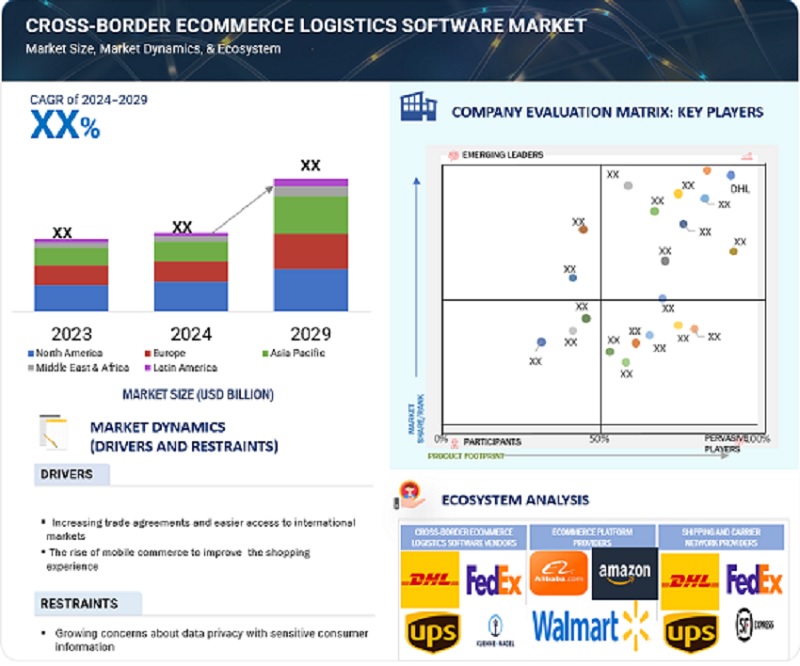
Access wider markets through e-commerce
Improve inventory, finance, and customer management
Reduce operational costs
Compete beyond local geographies
In traditional sectors such as agriculture, fisheries, and tourism, digital tools support:
Smart farming and traceability
Online booking and experience platforms
Digital payments and financial inclusion
Digital inclusion therefore directly translates into economic inclusion.
7.3 Infrastructure as the Foundation of the Digital Economy
Digital transformation depends on reliable infrastructure:
Broadband and mobile connectivity
Affordable data access
Stable electricity supply
Bridging the urban–rural digital divide is critical. Without inclusive connectivity, digitalisation risks widening inequality rather than reducing it. Rural connectivity must be treated as productive infrastructure, not merely social provision.
7.4 Innovation Ecosystems and Local Solutions
Innovation thrives in ecosystems that connect:
Entrepreneurs and startups
Universities and training institutions
Industry partners
Investors and mentors
Sabah’s innovation ecosystem should prioritise applied innovation—solutions tailored to local industries such as agro-processing, eco-tourism, logistics, and renewable energy. Innovation does not require scale alone; relevance and adaptability are equally important.
7.5 Startups, Creativity, and the Knowledge Economy
The digital economy lowers barriers to entry for new enterprises. With the right support, Sabah can nurture:
Digital startups
Creative industries
Content creators and service exporters
These activities generate value without heavy physical infrastructure and are well-suited to young entrepreneurs and remote participation. Supporting the knowledge economy diversifies income sources and reduces dependence on traditional sectors.
7.6 Data, Governance, and Smart Systems
Data-driven decision-making improves both public and private sector performance. Digital systems enable:
Smarter logistics and supply chains
Evidence-based policy formulation
Transparent governance and service delivery
Adopting smart systems enhances efficiency, accountability, and investor confidence, reinforcing Sabah’s competitiveness.
7.7 Risks and Readiness
Digital transformation is not without risks. Key challenges include:
Cybersecurity and data protection
Skills gaps in digital literacy
Uneven adoption across regions and sectors
Managing these risks requires clear standards, capacity building, and public awareness. Digital readiness is as much about people and governance as it is about technology.
Closing Perspective
The digital economy offers Sabah an opportunity to leapfrog traditional development constraints. By embedding digital tools across sectors and fostering a culture of innovation, Sabah can create an economy that is more agile, inclusive, and resilient.
Digitalisation is not a destination—it is a continuous process of adaptation. Those who innovate early and responsibly will define the competitive landscape of 2030.



Chapter 8 — Green Growth and Sustainable Development
Green growth is no longer a niche agenda; it is a core determinant of long-term economic competitiveness. As global markets shift toward low-carbon production, environmental standards, and responsible investment, regions that fail to adapt risk marginalisation. For Sabah, sustainability is not a constraint on growth—it is a strategic advantage.
This chapter explores how Sabah can integrate environmental stewardship with economic expansion to build a resilient, future-ready economy by 2030.
8.1 Why Green Growth Matters
Green growth aligns economic development with:
Environmental protection
Resource efficiency
Social well-being
In an era of climate change, biodiversity loss, and tightening global regulations, sustainable development determines access to:
Export markets
Investment capital
Tourism demand
International partnerships
For Sabah, whose economy is deeply connected to nature, green growth is not optional—it is foundational.
8.2 Sabah’s Natural Capital as an Economic Asset
Sabah’s forests, marine ecosystems, fertile land, and biodiversity represent natural capital of global significance. These assets support:
Eco-tourism and conservation-based income
Sustainable agriculture and fisheries
Carbon sequestration and climate services
However, unmanaged exploitation depletes this capital, undermining future growth. The challenge lies in converting natural capital into renewable economic value, rather than short-term extraction.
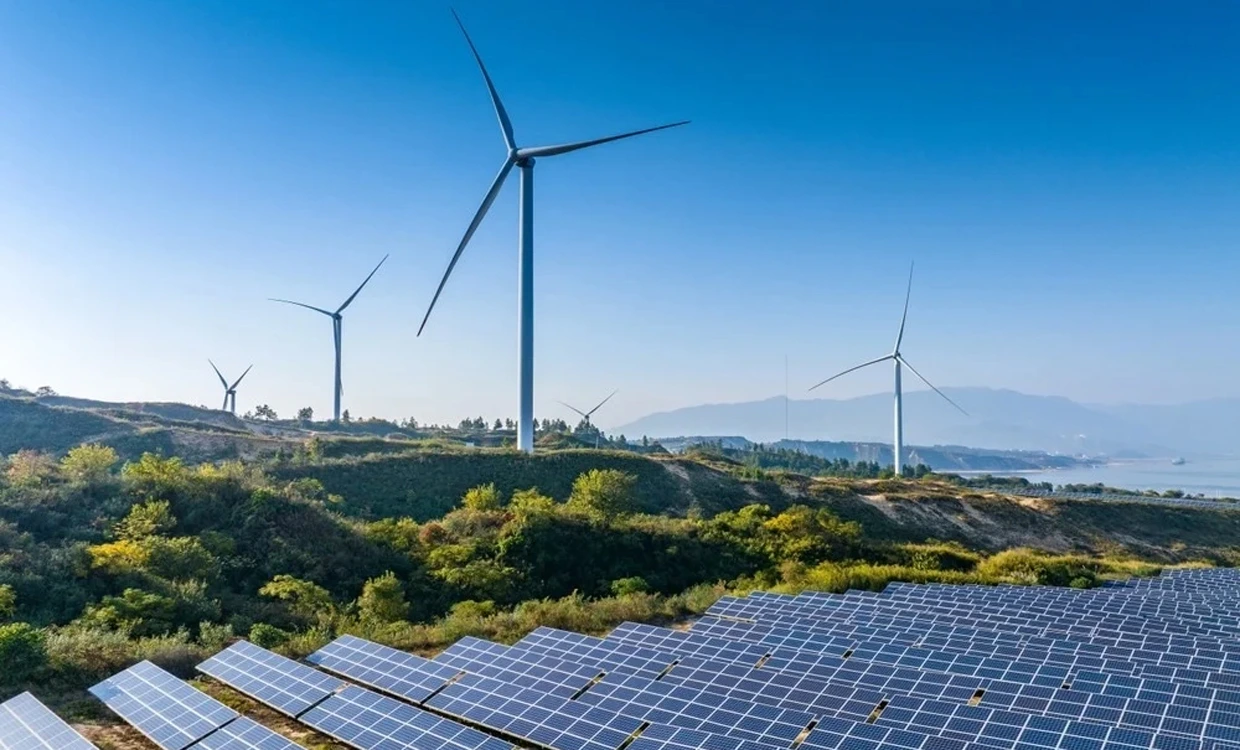
8.3 Renewable Energy and the Green Transition
Energy transition is a critical pillar of green growth. Sabah has strong potential in:
Solar energy (including community-based systems)
Bioenergy from agricultural and palm oil waste
Small-scale hydro and hybrid systems
Expanding renewable energy delivers multiple benefits:
Improved energy security
Lower long-term energy costs
New green jobs and industries
Reduced carbon intensity of the economy
Decentralised energy solutions are particularly relevant for rural and island communities.
8.4 Sustainable Agriculture and Food Systems
Agriculture must evolve to meet productivity, climate, and environmental challenges. Green agriculture emphasises:
Efficient land and water use
Reduced chemical dependency
Climate-resilient crop practices
Value-added and traceable food production
Sustainable practices not only protect ecosystems but also improve market access, particularly in premium and export segments where environmental standards matter.
8.5 Green Industry and Circular Economy
Green growth extends beyond primary sectors into manufacturing and services. Opportunities include:
Resource-efficient production
Waste-to-value industries
Recycling and circular economy models
Eco-certified manufacturing
By reducing waste and maximising reuse, the circular economy lowers costs and creates new business opportunities while reducing environmental pressure.
8.6 Environmental Governance and Standards
Strong environmental outcomes depend on effective governance. This includes:
Clear land-use planning and zoning
Transparent environmental impact assessments
Enforcement of sustainability standards
Community participation in resource management
Good governance ensures that sustainability commitments translate into real outcomes rather than symbolic targets.
8.7 Financing Green Growth
Green development requires innovative financing mechanisms:
Green bonds and sustainability-linked financing
Public–private partnerships for renewable projects
Incentives for private investment in green technologies
Access to international climate funds
Aligning finance with sustainability objectives accelerates adoption and signals long-term policy commitment.
8.8 Balancing Growth, Equity, and Conservation
Green growth must be inclusive. Conservation efforts that exclude communities can create resistance and inequality. Successful models:
Share benefits with local and indigenous communities
Create alternative livelihoods linked to conservation
Respect customary land rights and local governance
When communities benefit from sustainability, conservation becomes self-reinforcing.
Closing Perspective
Sabah’s path to competitiveness runs through sustainability. Green growth enables the state to protect its natural heritage while positioning itself as a credible participant in the global low-carbon economy.
By integrating environmental responsibility into economic planning, Sabah can ensure that growth today does not compromise opportunity tomorrow.


Chapter 9 — Governance, Policy, and Investment
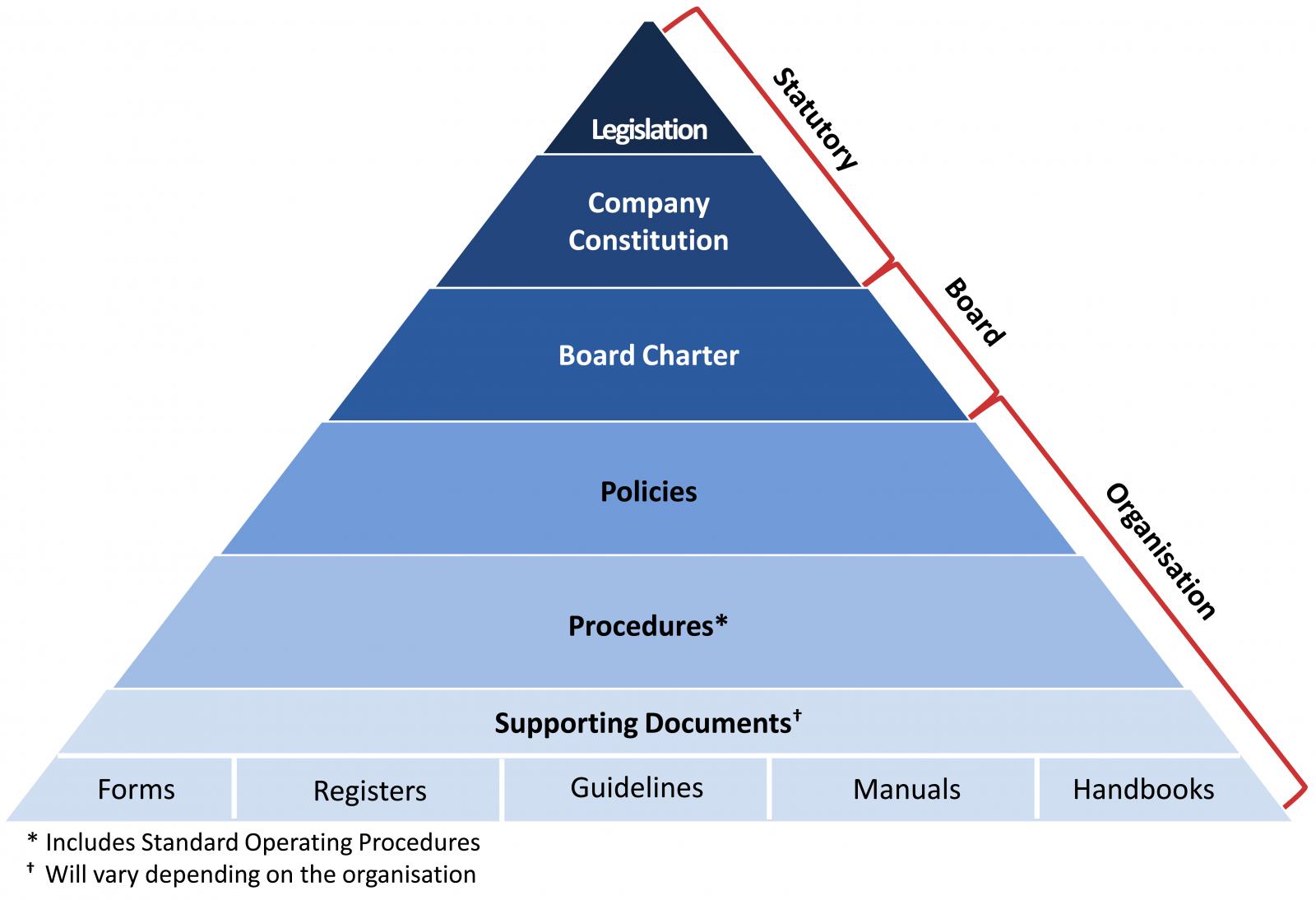
Economic transformation succeeds or fails on the strength of governance. Vision, resources, and infrastructure matter, but without effective institutions, coherent policies, and disciplined execution, outcomes remain fragmented. For Sabah, strengthening governance and investment frameworks is essential to translating ambition into measurable results.
This chapter examines how policy coherence, institutional capacity, and strategic investment can accelerate Sabah’s journey toward a competitive economy by 2030.
9.1 Governance as a Competitive Advantage
In an increasingly competitive global environment, good governance is itself an economic asset. It:
Reduces uncertainty and risk for investors
Improves policy credibility and continuity
Enhances efficiency in public spending
Builds trust among citizens and markets
For Sabah, governance reform is not about creating more policies, but about ensuring clarity, consistency, and delivery.
9.2 Policy Coherence and Long-Term Direction
Economic competitiveness requires policies that are aligned across sectors and time horizons. Fragmented or frequently changing policies discourage long-term investment and weaken implementation.
Key priorities include:
Aligning economic, industrial, environmental, and social policies
Ensuring continuity across political and administrative cycles
Translating high-level strategies into actionable programmes
A clear long-term direction allows businesses and communities to plan, invest, and innovate with confidence.
9.3 Institutional Capacity and Delivery Mechanisms
Strong institutions are the engines of execution. Effective delivery requires:
Clear mandates and accountability
Skilled public sector leadership and technical capacity
Data-driven monitoring and evaluation
Coordination across ministries, agencies, and local authorities
Without robust delivery mechanisms, even well-designed strategies fail to achieve impact. Governance reform must therefore prioritise capability and performance, not structure alone.
9.4 Public–Private Collaboration
The scale of Sabah’s development needs exceeds the capacity of the public sector alone. Public–private collaboration is essential to:
Mobilise capital and expertise
Accelerate project implementation
Share risks and rewards appropriately
Well-structured Public–Private Partnerships (PPPs) can support infrastructure, renewable energy, logistics, and tourism development—provided governance frameworks are transparent and outcomes-driven.
9.5 Investment Quality over Quantity
Not all investment contributes equally to competitiveness. Sabah must prioritise high-quality investment that:
Creates skilled employment
Transfers technology and knowledge
Strengthens local supply chains
Aligns with sustainability objectives
Targeted investment promotion is more effective than broad incentives. Strategic investors become partners in development rather than short-term beneficiaries.
9.6 Enabling the Private Sector
A competitive economy requires a dynamic private sector. Government’s role is to enable—not replace—private initiative by:
Reducing regulatory friction
Improving licensing and approval processes
Providing predictable rules and timelines
Supporting SMEs with access to finance and markets
Ease of doing business directly affects investment decisions and enterprise growth.
9.7 Transparency, Accountability, and Trust
Transparency underpins investor confidence and public legitimacy. This includes:
Clear procurement and tender processes
Open reporting of project progress and outcomes
Strong audit and oversight mechanisms
When accountability is embedded in governance systems, trust increases—and trust lowers the cost of doing business.
9.8 Local Government and Community Participation
Effective governance extends beyond state-level institutions. Local governments and communities play a critical role in:
Implementing development projects
Managing local resources
Ensuring policies reflect local realities
Decentralised decision-making, when supported by capacity and accountability, improves responsiveness and outcomes.
9.9 Investment Readiness for 2030
To compete for capital regionally, Sabah must position itself as investment-ready. This requires:
Bankable project pipelines
Clear land-use and regulatory frameworks
Skilled project management and facilitation
Consistent engagement with investors
Investment readiness is not a single reform, but a system built over time through disciplined governance.
Closing Perspective
Governance, policy, and investment form the backbone of economic transformation. They determine whether plans remain aspirations or become realities.
For Sabah, strengthening governance is the decisive step toward unlocking the full potential of its resources, people, and strategic location. Competitiveness by 2030 will be shaped not only by what Sabah seeks to achieve, but by how effectively it governs the journey.


Chapter 10 — Sabah 2030 and Beyond
The journey toward 2030 is not an end in itself, but a turning point. It marks the transition from aspiration to execution, from potential to performance. For Sabah, the decade ahead represents an opportunity to redefine its economic identity—one that is competitive, inclusive, and resilient in the face of global change.
This final chapter brings together the themes of the book and looks beyond 2030, outlining what success should look like and how Sabah can sustain momentum over the long term.
10.1 What a Competitive Sabah Looks Like in 2030
By 2030, a competitive Sabah is characterised not by isolated achievements, but by systemic strength:
An economy that generates value locally and exports competitively
Diversified growth across industry, services, tourism, and the green economy
Reduced regional inequality through balanced development
A skilled workforce aligned with future industries
Strong institutions that deliver consistently
Competitiveness is reflected not only in GDP growth, but in income quality, opportunity access, and resilience.
10.2 Measuring Success Beyond Numbers
While economic indicators matter, Sabah’s progress must also be evaluated through broader measures:
Household income growth and job quality
SME participation in regional and global markets
Environmental health and biodiversity protection
Youth retention and talent circulation
Public trust in institutions
These indicators reflect whether growth is shared, sustainable, and enduring.
10.3 From Strategy to Culture
One of the most important shifts beyond 2030 is moving from strategy as a document to strategy as a culture. This means:
Long-term thinking embedded in policymaking
Continuous learning and adaptation
Collaboration across government, business, and communities
Willingness to pilot, refine, and scale solutions
A culture of execution ensures that progress continues even as circumstances evolve.
10.4 Preparing for a Changing Global Landscape
Beyond 2030, Sabah will operate in a world shaped by:
Accelerated technological change
Climate-related risks and transitions
Shifting trade and geopolitical dynamics
Demographic transformation
Resilience will depend on agility—the ability to anticipate change, diversify risks, and innovate proactively.
10.5 The Role of Leadership and Collective Action
No long-term transformation succeeds without leadership. This includes:
Political leadership that prioritises continuity and integrity
Institutional leadership focused on delivery and outcomes
Private sector leadership that invests responsibly
Community leadership that safeguards culture and environment
Economic transformation is a collective endeavour, requiring shared ownership of both challenges and outcomes.
10.6 Empowering the Next Generation
Youth are not only beneficiaries of development—they are its future stewards. Preparing Sabah beyond 2030 requires:
Education systems that foster critical thinking and adaptability
Opportunities for entrepreneurship and innovation
Platforms for youth participation in decision-making
An economy that empowers its youth secures its future competitiveness.
10.7 A Vision Beyond 2030
Looking beyond 2030, Sabah’s ambition should be to:
Emerge as a recognised hub for sustainable development in the region
Lead in community-based green and blue economy models
Demonstrate that economic growth and environmental stewardship can advance together
This vision positions Sabah not as a follower of global trends, but as a contributor of solutions.
Closing Reflection: The Path Forward
Sabah’s future is not predetermined. It will be shaped by the choices made today—how resources are managed, how people are empowered, and how institutions perform.
The chapters of this book have outlined a pathway grounded in reality yet guided by ambition. The challenge ahead is execution. The opportunity is transformation.
Sabah 2030 is not a destination. It is the foundation for everything that comes next.
Book Synopsis
Title: Sabah 2030: Building a Competitive, Sustainable, and Inclusive Economy
Sabah 2030 is a forward-looking and policy-oriented book that examines how Sabah can transform its economy from a resource-dependent model into a value-driven, competitive, and resilient system by the year 2030—and beyond.
Drawing on Sabah’s unique geography, natural wealth, cultural diversity, and human capital, the book provides a comprehensive analysis of the state’s economic foundations while addressing the structural challenges that have limited long-term competitiveness. It argues that Sabah’s future prosperity depends not on extracting more resources, but on creating more value, strengthening institutions, and empowering people and communities.
Structured across ten thematic chapters, the book moves from diagnosis to action. It explores Sabah’s economic DNA, the need to move up the value chain, the role of infrastructure as an economic enabler, and the strategic importance of tourism, culture, and the blue economy. It further examines human capital development, digital transformation, green growth, and the governance and investment frameworks required to turn vision into reality.
More than a theoretical discussion, Sabah 2030 offers a practical and implementation-focused roadmap. It emphasises inclusive growth, sustainability, and innovation as core pillars of competitiveness, while highlighting the importance of leadership, policy coherence, and long-term execution.
Written for policymakers, investors, development practitioners, academics, and informed citizens, this book positions Sabah not as a passive participant in global change, but as a region capable of shaping its own future. It concludes with a clear message: 2030 is not the finish line—it is the foundation for the next chapter of Sabah’s development story.


Comments
Post a Comment